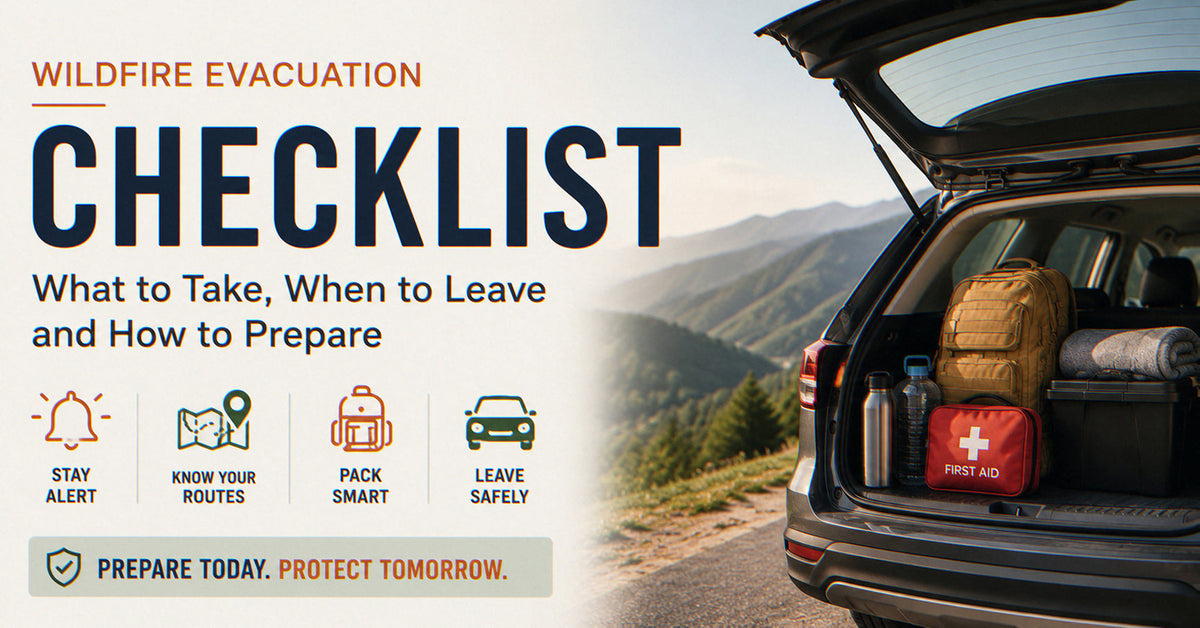
Wildfire Evacuation Checklist: What to Take, When to Leave and How to Prepare
Wildfires can change direction and intensity quickly. When smoke, wind, road closures and evacuation traffic begin to build, even a familiar route can become difficult to navigate. Preparing before an evacuation order arrives can help you leave faster and more safely.

Prepare before conditions become dangerous: organize your supplies, vehicle and pet plan before an evacuation order arrives.
Quick Wildfire Evacuation Checklist
- Sign up for local emergency alerts.
- Know at least two ways out of your neighborhood.
- Decide where you will go.
- Prepare a wildfire go bag.
- Keep important medications and documents accessible.
- Make a plan for pets and animals.
- Keep your vehicle ready to leave.
- Keep your phone charged.
- Choose an out-of-area emergency contact.
- Leave promptly when authorities tell you to evacuate.
1. Sign Up for Local Emergency Alerts
Do not rely only on seeing smoke or receiving information through social media. Wildfire evacuation instructions may come from local emergency management agencies, law enforcement, fire departments and other public authorities.
Before wildfire season, check how your city or county distributes emergency notifications and make sure your contact information is current where registration is required.
Keep emergency alerts enabled on your phone and continue monitoring official information as conditions change.
2. Know at Least Two Evacuation Routes
Your normal route out of the neighborhood may not be available during a wildfire. Fire, smoke, fallen trees, emergency vehicles, traffic collisions or road closures can block familiar roads.
Your evacuation plan should include:
- A primary evacuation route
- At least one alternate route
- A destination outside the threatened area
- A backup destination if your first choice becomes inaccessible
Every adult driver in the household should understand the plan.
Do not assume GPS will always provide the safest wildfire evacuation route. Follow official evacuation routes and directions from emergency personnel.

Learn your local alert system and identify more than one evacuation route before wildfire conditions become urgent.
3. Decide Where You Will Go
Do not wait until you are already driving away from a wildfire to decide where your household will stay.
Possible destinations may include:
- An official evacuation shelter
- A friend or relative's home
- A hotel outside the affected area
- Another location recommended by local authorities
Your destination may change depending on the direction of the fire, road closures and evacuation zones. Have more than one option.
If household members become separated, designate an out-of-area contact everyone knows how to reach.
4. Prepare a Wildfire Go Bag
A wildfire evacuation go bag should contain the essentials you may need during the first several days away from home.
Consider packing:
- Water
- Nonperishable food
- Prescription medications
- Basic first-aid supplies
- Flashlights and spare batteries
- Phone charging cables and portable power
- Copies of identification
- Insurance information
- Important household records
- Emergency contact information
- Cash and payment cards
- A change of clothes
- Personal hygiene supplies
- N95 respirators or appropriate smoke-protection supplies
5. Protect Important Documents
Keep important information organized and easy to access. Documents may include identification, insurance information, medical records, property records, vehicle information and prescription details.
Digital backups can also be useful. Store important files securely so you are not relying entirely on documents that remain inside your home.
6. Make a Plan for Pets
Pets should be part of your evacuation plan from the beginning.
Prepare:
- Carriers
- Leashes or harnesses
- Food and water
- Bowls
- Medications
- Waste supplies
- Vaccination information
- Identification and recent photos
Keep carriers and leashes accessible rather than buried in storage. If animals require additional transportation time, consider leaving earlier.
Keep go bags, medication, documents, first-aid supplies and pet essentials organized so they can be loaded quickly.
7. Get Your Vehicle Ready
Your vehicle may become one of the most important parts of your wildfire evacuation plan.
Do not wait for an evacuation order to discover that the fuel tank is nearly empty or the vehicle has a mechanical problem.
During periods of elevated wildfire risk:
- Keep the fuel tank at least half full when practical.
- Keep an EV at a useful evacuation charge level.
- Check tires and essential fluids.
- Keep a phone charger in the vehicle.
- Store basic roadside emergency supplies securely.
- Know where your vehicle keys are.
- Park so you can leave without unnecessary maneuvering.
8. What Should You Keep in Your Car During Wildfire Season?
A vehicle emergency kit may include:
- Drinking water
- Nonperishable snacks
- First-aid supplies
- A flashlight
- Work gloves
- A phone charger or power bank
- An emergency blanket
- Reflective roadside equipment
- Maps
- Essential medications
- Protective masks
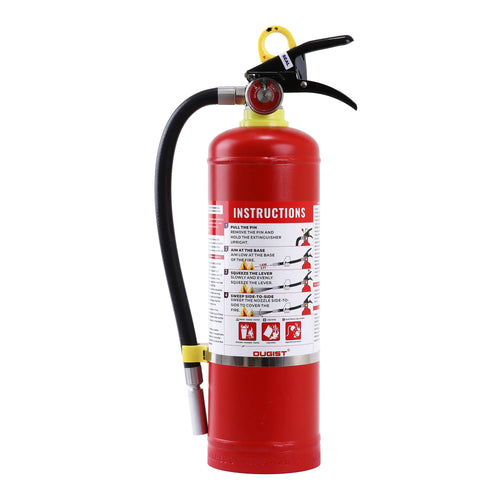
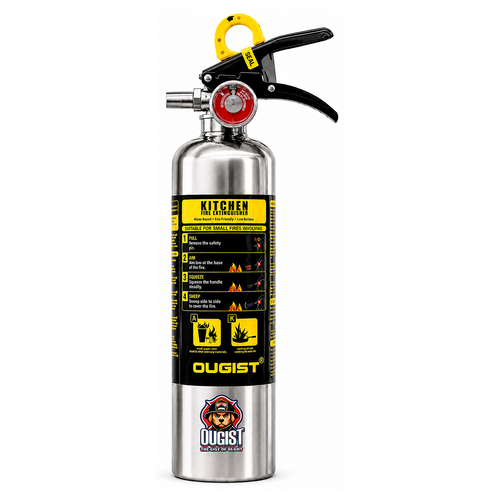
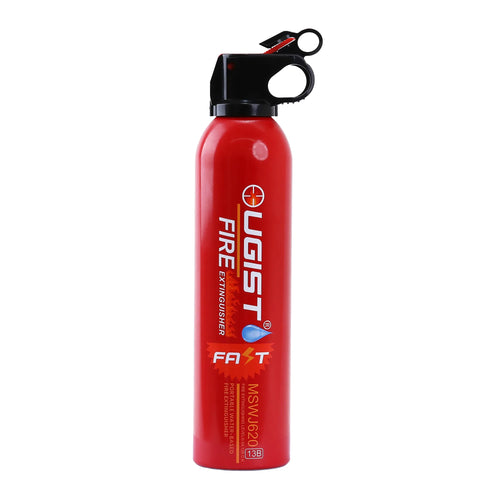
- Appropriate supplemental fire-safety equipment
Secure equipment so it cannot move freely around the passenger compartment.
9. What to Do When You Receive a Wildfire Evacuation Warning
An evacuation warning means you should take the situation seriously and move from general preparedness to active readiness.
Use the time to:
- Load your go bags.
- Gather medications.
- Secure pets.
- Charge phones.
- Confirm your route.
- Monitor official alerts.
- Contact household members.
- Prepare the vehicle.
- Be ready to leave quickly.
People who need additional evacuation time may choose to leave earlier.
Do not treat an evacuation warning as permission to ignore the fire until an evacuation order arrives.
10. What to Do When You Are Told to Evacuate
When authorities tell you to evacuate, leave promptly.
Do not delay to finish household tasks, photograph the fire or collect nonessential belongings.
Prioritize:
- People
- Pets
- Medications
- Go bags
- Essential documents
- Your phone
Then leave.

Leave promptly when instructed and follow official evacuation routes. Do not wait for conditions to become visibly dangerous.
Driving During a Wildfire Evacuation
Smoke can reduce visibility, while debris, emergency vehicles and heavy traffic can create additional hazards.
While evacuating:
- Follow official routes.
- Keep windows closed.
- Continue listening for emergency updates.
- Drive carefully through smoke.
- Watch for firefighters and emergency vehicles.
- Do not stop to photograph the fire.
- Do not block intersections or emergency access points.
Avoid unnecessary large vehicles or trailers during an urgent evacuation if they could slow your departure or block traffic.
Do Not Wait for the Last Possible Minute
One of the most dangerous assumptions during a wildfire is: “We'll leave if it gets closer.”
Wildfire behavior can change quickly because of wind, terrain, vegetation and weather.
If officials tell you to evacuate, go.
If conditions around you already feel unsafe, do not wait for flames to become visible from your property before taking protective action.
What If You Cannot Use Your Planned Route?
Never drive toward visible flames or through a road closure simply because it is your usual route.
Use your alternate route or follow directions from emergency personnel.
If you become trapped or cannot evacuate safely, contact 911 and follow emergency instructions.
After You Evacuate
Once you reach a safe location:
- Tell your designated contact that you are safe.
- Continue monitoring official information.
- Seek assistance if anyone feels unwell.
- Keep pets secure.
- Do not return home until authorities say it is safe.
A wildfire area may still contain falling trees, damaged utility lines, hot spots and unstable structures after the visible fire has moved through.
Wildfire Evacuation FAQ
What should I take during a wildfire evacuation?
Prioritize people, pets, medications, identification, important documents, emergency supplies, water, food, phones and essential personal items.
When should I leave during a wildfire?
Follow local evacuation instructions. If officials tell you to evacuate, leave promptly. If you need additional evacuation time or conditions already feel unsafe, leaving earlier may be appropriate.
Should I wait for an evacuation order?
Do not wait for conditions to become visibly dangerous. Pay attention to local warnings and prioritize reaching a safer location if conditions are deteriorating.
How much gas should I keep in my car during wildfire season?
Keeping the vehicle at least half full during periods of elevated wildfire risk can reduce delays if you need to evacuate unexpectedly.
Can I return home when the smoke clears?
Return only when authorities say it is safe. Fire-damaged areas can continue to contain significant hazards.
The Bottom Line
A wildfire evacuation should not begin with deciding what to pack. That decision should already be made.
Know your routes. Pack your essentials. Prepare your pets. Keep your vehicle ready. Monitor official alerts. Leave when told — and leave earlier if conditions already feel unsafe.
Preparation before wildfire season can prevent critical delays when every minute matters.
Build a More Complete Emergency Preparedness Plan
A wildfire evacuation plan is about more than packing a bag. Review your household, vehicle and emergency-safety supplies now so you are ready to act when conditions change.
Portable fire-safety products are supplemental preparedness tools and are not intended for fighting an advancing wildfire. Always prioritize evacuation and follow instructions from emergency authorities.
Safety information: This article provides general wildfire preparedness information for U.S. households. Always follow current instructions from your local fire department, law enforcement, emergency management agency and other public authorities.
Recomendado para este tema

$54.99 $65.99

$65.32 $78.38
$14.99 $17.99